Experiencing structural destruction or water damage to your house can be devastating, but managing the claims process properly is crucial to receiving fair compensation for repairs. When learning how to file a home insurance claim, property owners must act swiftly to prevent further damage, maintain meticulous records, and negotiate effectively with insurance adjusters.
Following a clear, structured roadmap helps protect your legal rights, avoid denied claims, and secure the full payout required to restore your home to its pre-loss condition.
Home Insurance Claim Roadmap at a Glance
| Stage | Priority Action | Key Requirement |
| 1. Emergency Safety & Mitigation | Secure the property to prevent extra damage | Emergency tarping/drying receipts |
| 2. Damage Documentation | Photograph and film all impacted areas | High-res photos & damaged item list |
| 3. Policy Notification | File First Notice of Loss (FNOL) promptly | Policy number & detailed loss description |
| 4. Adjuster Inspection | Walk through the site with the field adjuster | Independent contractor scope of work |
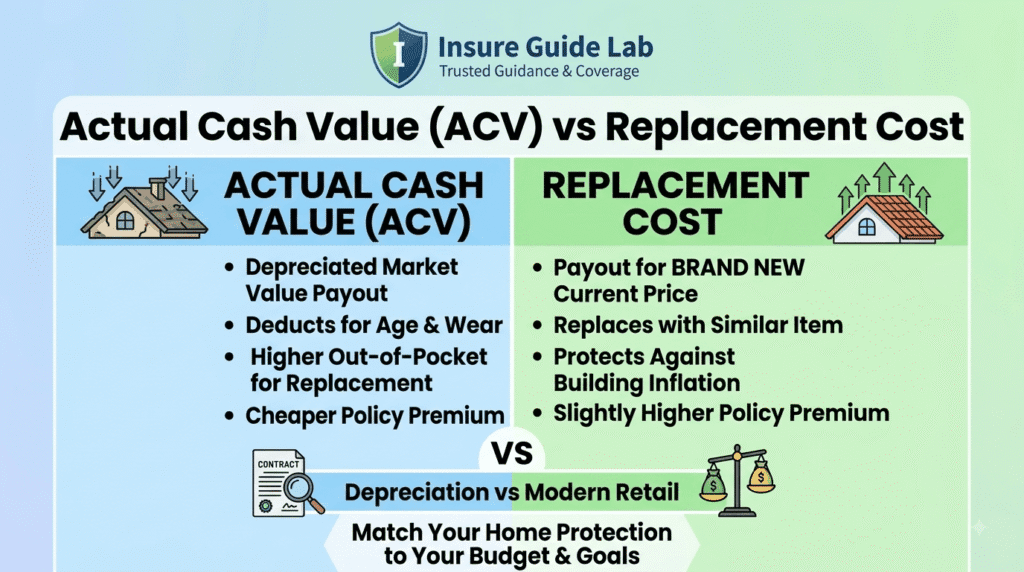
| 5. Claim Settlement | Review estimate & cash repair payments | RCV vs ACV recovery releases |
Step 1: Mitigate Secondary Damage Immediately
Homeowners insurance policies include a strict legal clause requiring policyholders to protect the property from further harm once safe to do so.
- Prevent Additional Loss: If a storm tears away shingles, cover the exposed roof with waterproof tarps. If an indoor pipe bursts, shut off the main water valve immediately.
- Keep Mitigation Receipts: Retain all receipts for plywood, plastic sheeting, emergency water pump rentals, or board-up services. These emergency stabilization expenses are reimbursed under standard policy provisions.
- Avoid Permanent Repairs Early: Never begin permanent wall rebuilding or dispose of damaged carpets and furniture before the insurance claims adjuster has formally inspected the site.
Step 2: Document Structural & Personal Property Losses
Thorough documentation provides concrete proof that counters any undervaluation by the insurance company’s field adjusters.
- Capture Comprehensive Visuals: Take detailed photographs and video walkthroughs of every damaged room, exterior wall, foundation crack, and water line.
- Compile a Personal Property Inventory: Create an itemized spreadsheet listing destroyed personal possessions. Include brand names, serial numbers, approximate age, purchase date, and estimated replacement cost.
- Secure Independent Contractor Estimates: Hire a trusted local licensed general contractor to produce an independent line-item estimate. Having your own estimate ensures you have a reliable benchmark when reviewing the insurance adjuster’s calculations.
Step 3: File the First Notice of Loss (FNOL)
Contact your insurer’s claims department or your local independent insurance agent to initiate the claim.
- Submit Factual Details: Provide the exact date, approximate time, and specific cause of damage (e.g., windstorm, frozen plumbing line, electrical fire).
- Confirm Deductible Rules: Check whether your standard policy deductible applies or if a separate percentage-based hurricane, wind, or hail deductible is triggered.
- Request Additional Living Expenses (ALE) Advance: If your residence is unsafe or uninhabitable, request an upfront disbursement under Coverage D (Loss of Use) to cover hotel stays, temporary rental homes, and food expenses.
Step 4: Navigate the Adjuster Inspection
An insurance adjuster will visit your home to verify the cause of loss, measure affected square footage, and compile a repair estimate.
- Walk the Site Together: Accompany the adjuster during the entire walkthrough. Point out every detail, including hidden moisture behind drywall, attic insulation leaks, and foundation cracks.
- Share Your Contractor’s Scope: Present your independent contractor’s estimate to ensure the adjuster includes code-compliance upgrades and necessary structural steps in their report.
- Consider a Public Adjuster for Complex Losses: If you face major structural losses or ongoing disputes regarding scope and payouts, hiring a licensed Public Adjuster to negotiate on your behalf can be well worth their fee.
Step 5: Understand ACV vs. RCV Payout Releases
Residential claims are commonly paid out in two separate disbursements:
- Actual Cash Value (ACV) Initial Check: The insurer first issues a payment based on the depreciated value of the damaged materials, minus your policy deductible.
- Depreciation Holdback Recovery: If your policy provides Replacement Cost Value (RCV), the carrier holds back the depreciation amount until repairs are completed. Once your contractor submits proof of completed work and final invoices, the insurer releases the remaining balance.
4 Common Mistakes When Filing Property Claims
- Throwing Away Damaged Items Too Soon: Discarding destroyed appliances, carpets, or personal property before adjuster inspection often leads to excluded coverage.
- Missing Policy Filing Deadlines: Most carriers require formal claims notification within 30 to 60 days of the incident; delaying reporting can jeopardize your coverage.
- Failing to Track Communication: Always keep a log of every phone call, email, and meeting with your claims adjuster, noting dates, representative names, and exact topics discussed.
- Filing for Minor Maintenance Issues: Damage caused by long-term wear and tear, gradual roof leaks, or poor maintenance is excluded from standard homeowners insurance policies.
Action Checklist: Property Damage Claim Review
- [ ] Mitigate active risks (turn off main water valve, tarp leaking roof).
- [ ] Photograph all structural damage and water-stained belongings.
- [ ] Build a spreadsheet inventory detailing damaged personal property.
- [ ] Secure an independent repair estimate from a licensed local contractor.
- [ ] Track all hotel and food receipts under Additional Living Expenses (ALE).
- [ ] File claim promptly with your insurance company to receive a formal claim number.
Summary Recommendations
- Verify Building Code Upgrades: Check if your homeowners policy includes Ordinance or Law coverage to pay for modern building code upgrades required during rebuilding.
- Review Carrier Dispute Options: If you receive an unfairly low settlement offer, use your policy’s built-in Appraisal Clause or consult state mediation programs.
- Check Consumer Complaint Data: Review state insurance commissioner resources and carrier complaint records through the National Association of Insurance Commissioners (NAIC).
Related Guide: Learn how tenant and owner coverage responsibilities differ in our guide on Renters vs Homeowners Insurance.
Related Guide: Understand how deductibles and bundling lower policy costs in our guide on How to Lower Homeowners Insurance Premium.
Disclaimer: This guide is provided for educational and informational purposes only. Homeowners insurance claims procedures, peril exclusions, and depreciation payout rules vary by underwriter and regional jurisdiction. Consult a licensed property insurance agent or public adjuster for personalized claim guidance.