Rising construction material prices, labor costs, and severe weather patterns have driven residential insurance rates steadily upward. When looking for how to lower homeowners insurance premium, property owners must reduce recurring annual costs without stripping away vital dwelling or liability coverage.
You do not need to settle for inflated rate renewals. Implementing targeted policy adjustments, security enhancements, and claim-free incentives can significantly reduce your annual home insurance expenses.
Table of Contents
Homeowners Premium Reduction Roadmap at a Glance
| Strategy | Estimated Savings | Implementation Effort | Risk Trade-Off |
| Raise Policy Deductible | 10% to 25% | Low (Simple policy update) | Higher out-of-pocket cost during a claim |
| Multi-Policy Bundling | 15% to 25% | Low (Consolidate carriers) | None |
| Smart Security Installation | 5% to 15% | Moderate (Equipment setup) | None (Lowers break-in risk) |
| Roof & Weather Hardening | 10% to 20% | Moderate to High (Capital upgrade) | None (Improves home resilience) |
| Improve Credit-Based Score | 10% to 20% | Medium-term (Financial maintenance) | None |
| Maintain Claim-Free Record | 5% to 10% | Ongoing | Must self-insure minor repairs |
1. Increase Your Property Deductible
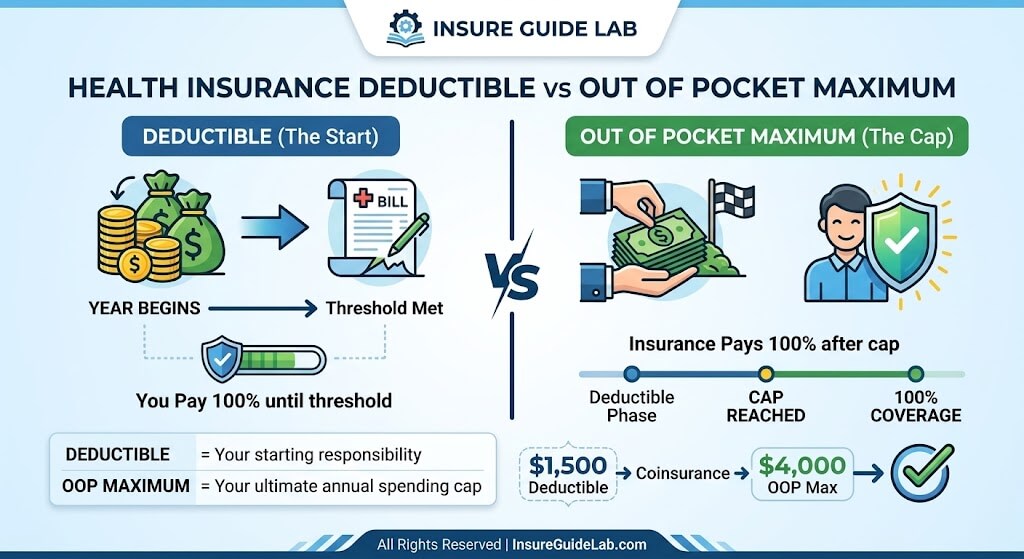
Adjusting your base policy deductible delivers the most immediate reduction in annual homeowners insurance costs.
- The Math Behind Deductibles: Standard policies carry a default $500 or $1,000 deductible. Increasing your deductible to $2,500 or $5,000 can lower annual premiums by 15% to 25%.
- Emergency Fund Alignment: Only increase your deductible if you keep sufficient liquid emergency cash in reserve to cover that out-of-pocket amount immediately when disaster strikes.
2. Bundle Home and Auto Policies with One Carrier
Combining multiple insurance lines under a single underwriting provider remains one of the most reliable multi-policy savings methods.
- Multi-Line Discount: Insurers routinely discount both contracts by 15% to 25% when you combine homeowners and auto policies under the same account.
- Single Deductible Benefits: Certain carriers offer unified deductibles—meaning if a storm damages both your garage and your car parked inside, you pay only one deductible instead of two.
3. Install Monitored Home Security and Fire Protection
Insurers reward homeowners who actively reduce theft and catastrophic fire risks through modern detection hardware.
- Deadbolts and Smoke Detectors: Basic upgrades like heavy-duty deadbolts and certified smoke alarms earn minor 2% to 5% baseline discounts.
- 24/7 Monitored Systems: Central alarm stations connected directly to local police and fire departments generate premium credits between 10% and 15%.
- Automatic Water Shut-Off Valves: Smart leak sensors that automatically cut off the main water line when a pipe bursts prevent costly indoor flood claims, earning additional insurer credits.
4. Fortify Your Roof and Structural Envelope
Because the roof serves as the first line of defense against severe wind, hail, and fallen branches, insurers inspect roof conditions closely.
- Impact-Resistant Shingles: Installing Class 4 impact-rated shingles significantly reduces hail vulnerability and qualifies for significant windstorm discounts.
- Wind Mitigation Inspections: In coastal or hurricane-prone states, certified wind mitigation reports verifying hurricane straps, reinforced garage doors, and roof-to-wall ties can lower the wind portion of your premium by up to 30%.
5. Improve Your Credit-Based Insurance Score
In most states, insurance underwriters use credit-based insurance scores to predict claim likelihood.
- Impact of Credit Scoring: Statistical actuarial studies show that policyholders with solid credit profiles file fewer frivolous claims.
- Maintaining High Scores: Keeping credit utilization below 30%, making on-time debt payments, and disputing credit report inaccuracies can steadily improve your insurance score and lower your premium tier at renewal.
6. Review Scheduled Personal Property and Coverage Limits
Home values fluctuate, and unnecessary endorsements can inflate your recurring premium without offering practical benefit.
- Insure Structure Rebuild, Not Land Value: Your dwelling coverage (Coverage A) must reflect local construction rebuild expenses, not the market real estate price of the property (the land underneath cannot burn down or be stolen).
- Audit High-Value Item Riders: If you previously added scheduled riders for expensive jewelry, electronics, or fine art that you no longer own, remove those endorsements immediately.
7. Avoid Submitting Small, Low-Dollar Claims
Filing frequent insurance claims triggers premium surcharges and risks policy non-renewal.
- The 3-Year Surcharge Rule: A single claim payout can trigger a 10% to 30% rate hike that persists for three to five years, often costing far more than the original repair payout.
- Self-Insure Minor Repairs: Pay out-of-pocket for damages that barely exceed your deductible (such as a $1,300 fence repair on a $1,000 deductible). Reserve insurance exclusively for severe, catastrophic losses.
Checklist: Annual Policy Review
- [ ] Compare quotes across at least 3 competing carriers every 2 years.
- [ ] Verify that all multi-policy, paperless, and automatic payment discounts are active.
- [ ] Confirm that your dwelling limit reflects current building material prices, not real estate market value.
- [ ] Send updated security system monitoring certificates to your insurance agent.
- [ ] Review detached structure (Coverage B) limits if you do not own unattached outbuildings.
Summary Recommendations
- Work with an Independent Insurance Broker: Independent brokers represent dozens of underwriting carriers simultaneously, making it easy to identify the lowest rate for your home’s risk profile.
- Re-Shop Prior to Policy Renewal: Review renewal declaration pages 30 to 45 days before expiration to catch automatic rate increases early.
- Verify Carrier Solvency: Review financial strength grades and consumer complaint ratios through the National Association of Insurance Commissioners (NAIC).
Related Guide: Learn how tenant and owner coverage responsibilities differ in our guide on Renters vs Homeowners Insurance.
Related Guide: Understand how high-limit secondary policies protect household wealth in our comparison of Umbrella Insurance vs Excess Liability.
Disclaimer: This guide is provided for educational and informational purposes only. Premium discounts, wind mitigation incentives, and credit scoring rules vary by state law and underwriting guidelines. Consult a licensed property and casualty insurance agent before adjusting coverage.