Selecting the right healthcare coverage requires balancing provider access against monthly premium costs. When evaluating PPO vs HMO (Preferred Provider Organization vs. Health Maintenance Organization), policyholders must decide how much provider flexibility they require.
While both plan types provide essential health benefits and preventive screenings, their referral rules, out-of-network coverage, and overall cost structures differ significantly.
Table of Contents
Quick Comparison: PPO vs. HMO
| Feature | Preferred Provider Organization (PPO) | Health Maintenance Organization (HMO) |
| Provider Network Flexibility | High (in-network and out-of-network coverage) | Strict (in-network only, except emergency care) |
| Primary Care Physician (PCP) | Not required | Required (acts as the primary care gatekeeper) |
| Specialist Referrals | No referral needed (direct booking) | Referral required from designated PCP |
| Monthly Premium Cost | Higher average monthly premiums | Lower, budget-friendly premiums |
| Out-of-Pocket Deductibles | Higher annual deductibles and coinsurance | Lower deductibles with fixed copayments |
| Out-of-Network Claims | Covered partially after separate deductible | Not covered (member pays 100% of costs) |
What Is a PPO (Preferred Provider Organization)?
A PPO is a flexible health insurance plan that allows members to visit any doctor, specialist, or hospital without obtaining a referral from a primary doctor.
- Broad Provider Access: Members can seek care from both participating network providers and non-contracted healthcare professionals.
- Direct Specialist Care: You can schedule appointments directly with cardiologists, dermatologists, or orthopedists without waiting for referral approvals.
- Higher Out-of-Pocket Expense: Increased flexibility comes with higher monthly premiums, deductibles, and variable coinsurance tiers.
What Is an HMO (Health Maintenance Organization)?
An HMO is a coordinated-care health plan that delivers medical services through a local network of contracted healthcare providers and facilities.
- Designated Primary Care Provider: Members choose a primary doctor who coordinates all ongoing treatments and routine care.
- Mandatory Specialist Referrals: Seeing a specialist requires an official referral from your designated primary doctor first.
- Cost Predictability: Delivers lower monthly premium rates, zero or low deductibles, and fixed office visit copayments.
5 Essential Differences: PPO vs HMO Health Plans
1. In-Network vs. Out-of-Network Coverage
PPOs offer out-of-network reimbursement, meaning you receive partial coverage even if a doctor is outside the plan network. HMOs will not cover any non-emergency care delivered by out-of-network doctors.
2. Specialist Referrals and Care Coordination
PPO plans allow direct scheduling with specialists at your convenience. HMOs mandate that your primary doctor evaluate symptoms first and submit formal referrals before specialized consultations are covered.
3. Monthly Premium and Deductible Costs
HMO plans are structured for cost efficiency, offering lower monthly premiums and minimal deductibles. PPO plans charge higher premiums in exchange for open network freedom.
4. Primary Care Physician (PCP) Requirements
HMO members must declare an in-network primary doctor upon enrollment to manage their care pathway. PPO members are free to consult multiple physicians without designating a central gatekeeper.
5. Geographic and Travel Flexibility
If you travel frequently across state lines or split time between residences, a PPO provides broader national network access. HMO networks are typically localized within specific geographic counties or metro areas.
Decision Checklist: Which Plan Fits Your Lifestyle?
Choose a PPO Plan If:
- [ ] You want the freedom to see specialists without scheduling primary doctor visits first.
- [ ] You already have established doctors who do not participate in local HMO networks.
- [ ] You travel frequently and need access to non-local medical facilities.
Choose an HMO Plan If:
- [ ] You want lower monthly premiums and predictable flat copayments.
- [ ] You prefer having a single primary physician coordinate your overall medical care.
- [ ] You live and work in one region and are satisfied with local network clinics.
Summary Recommendations
- Verify Your Current Doctors: Before choosing a plan, check provider directories to ensure your preferred doctors and local hospitals participate in the plan network.
- Calculate Total Annual Costs: Compare total projected annual costs—including monthly premiums plus expected deductibles—rather than looking only at premium rates.
- Verify State Plan Offerings: Review state insurance benchmark standards and carrier solvency via the National Association of Insurance Commissioners (NAIC).
Related Guide: Learn how tax-advantaged health accounts pair with high-deductible plans in our comparison of HSA vs FSA.
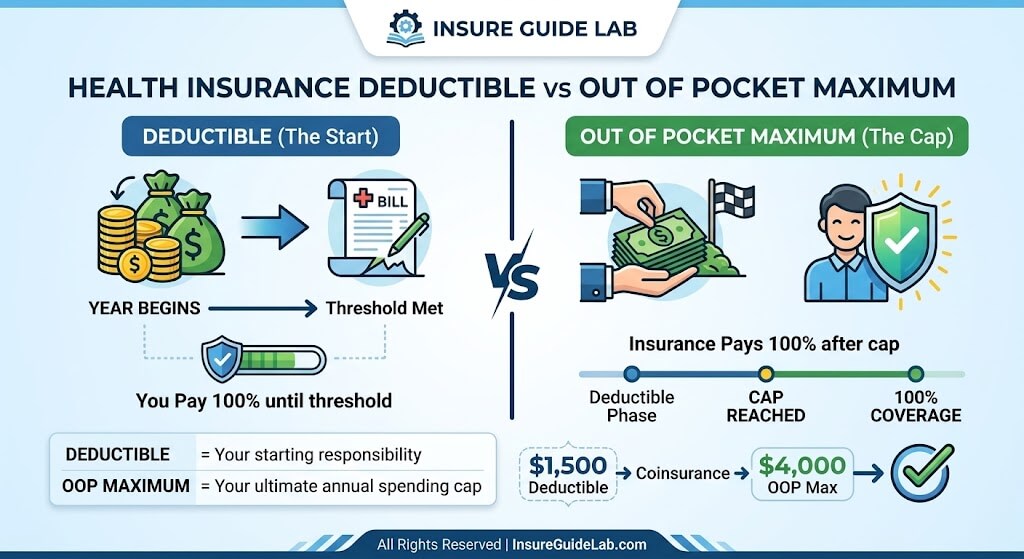
Related Guide: Understand how annual spending limits protect your finances in our guide on Deductible vs Out-of-Pocket Maximum.
Disclaimer: This guide is provided for educational and informational purposes only. Health plan network tiers, referral rules, and cost-sharing structures vary by carrier and state. Consult a licensed health insurance broker or benefits administrator before enrolling in a plan.
PPO vs HMO PPO vs HMO