Automotive insurance costs have climbed steadily due to rising vehicle replacement values, complex onboard electronics, and increased collision repair bills. When evaluating how to lower car insurance premium payments, drivers need concrete strategies to trim their monthly or annual bills without sacrificing essential liability and physical damage protections.
You do not have to accept automatic rate increases at every policy renewal. By restructuring deductibles, leveraging driving data programs, and removing obsolete policy add-ons, you can lower your auto insurance expenses immediately.
Car Insurance Savings Roadmap at a Glance
| Strategy | Average Rate Reduction | Implementation Complexity | Primary Trade-Off |
| Raise Collision / Comprehensive Deductible | 10% to 25% | Low (Instant adjustment) | Higher out-of-pocket repair costs during an accident |
| Multi-Policy Bundling (Auto + Home / Renters) | 10% to 20% | Low (Consolidate carriers) | None |
| Enroll in Telematics / Usage-Based Programs | 10% to 30% | Moderate (Smartphone or OBD-II tracker) | Requires sharing speed, braking, and mileage data |
| Audit Annual Mileage Classification | 5% to 10% | Low (Submit odometer readings) | Coverage tied to accurate driving limits |
| Improve Credit-Based Insurance Scores | 10% to 20% | Medium-term (Financial discipline) | None |
| Drop Comprehensive / Collision on Older Cars | 20% to 40% | Low (Evaluate vehicle value) | Policy pays zero physical damage for your car |
1. Increase Collision and Comprehensive Deductibles
The most immediate lever for lowering your auto insurance premium is adjusting your physical damage deductibles.
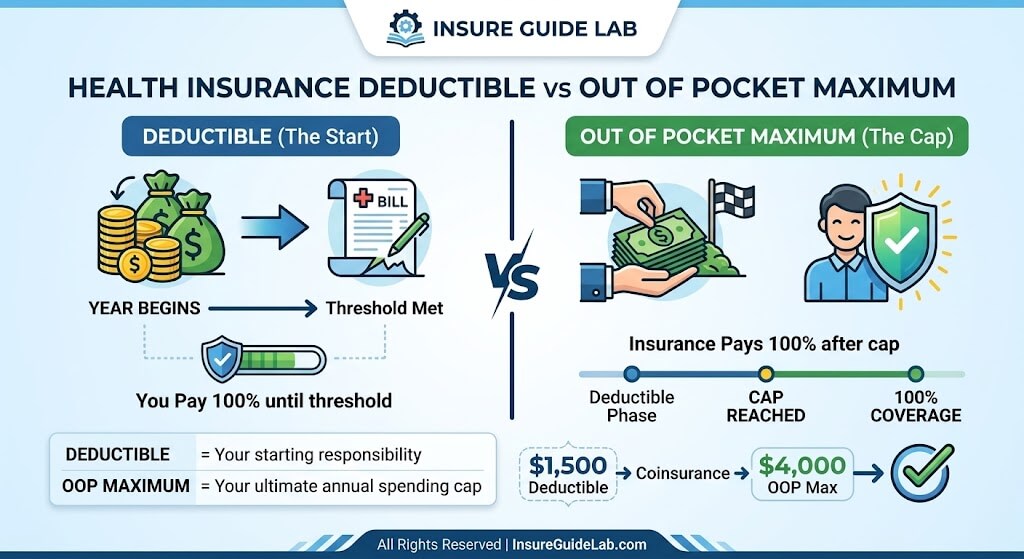
- Understanding the Math: Raising your deductible from $250 to $500, or from $500 to $1,000, can cut collision and comprehensive premium costs by 15% to 30%.
- Emergency Reserve Balance: Ensure you maintain sufficient liquid emergency savings to pay the higher out-of-pocket amount without delay if you need to file an accident claim.
2. Leverage Telematics and Usage-Based Insurance (UBI)
Most major insurers now offer usage-based insurance programs using mobile applications or plug-in OBD-II devices.
- Driving Behavior Metrics: These programs track safe driving metrics, including gentle braking, smooth acceleration, daytime driving hours, and phone-free operation behind the wheel.
- Instant Sign-up Discounts: Drivers frequently receive a 5% to 10% sign-up discount just for participating, with total discounts scaling up to 30% for safe habits.
- Pay-Per-Mile Options: If you work remotely or drive fewer than 7,500 miles annually, a pay-per-mile auto insurance structure can yield substantial savings over flat-rate coverage.
3. Bundle Auto Insurance with Home or Renters Policies
Consolidating your property and casualty policies under a single underwriting carrier remains one of the simplest ways to secure a rate reduction.
- Multi-Vehicle & Multi-Policy Benefits: Insurers routinely discount both policy lines by 10% to 20% when you combine auto with homeowners, condo, or renters insurance.
- Unified Administrative Portals: Managing your renewals, payments, and emergency claim filings under a single insurer interface saves time and reduces missed payment cancellations.
4. Recalculate Your Annual Commute Mileage
Changes in employment or commute patterns directly affect how underwriters assess road risk.
- Remote and Hybrid Work Updates: If you switched from daily office commuting to working from home, notify your insurer immediately to reclassify your vehicle status from “Commute” to “Pleasure.”
- Lower Risk Exposure: Underwriters correlate fewer hours spent on congested highways with lower collision frequencies, which translates to a lower baseline rate.
5. Review Coverage on Aging Vehicles (The 10% Rule)
As an automobile depreciates, continuing to carry full coverage may no longer be financially sensible.
- The 10% Rule of Thumb: If the combined annual cost of collision and comprehensive coverage plus your deductible exceeds 10% of the vehicle’s current market value (via Kelley Blue Book or Edmunds), consider dropping physical damage coverage.
- Maintain High Liability Limits: Never reduce your bodily injury and property damage liability limits when dropping collision coverage; catastrophic lawsuit exposure remains the same regardless of your car’s age.
6. Improve Your Credit-Based Insurance Score
In most states, insurance companies evaluate credit-based insurance scores during underwriting and rate setting.
- Correlation with Loss Ratios: Statistical models show that policyholders with good to exceptional credit file fewer claims, qualifying them for lower premium tiers.
- Healthy Score Maintenance: Pay bills on time, keep revolving credit balances below 30% of your credit limits, and monitor your credit report for errors to maintain lower rates over time.
7. Audit Policy Add-ons and Avoid Low-Dollar Claims
Small optional policy riders and minor repair claims can quietly inflate your premiums over time.
- Strip Unnecessary Endorsements: If you already have roadside assistance through a credit card or auto club (such as AAA), cancel your insurer’s duplicate towing add-on. Drop rental reimbursement if you own an extra backup vehicle.
- Self-Insure Minor Scratches: Paying cash for small parking-lot scratches or mirror replacements protects your clean claim history and prevents premium surcharges from erasing your savings over the next three to five years.
Action Checklist: Pre-Renewal Review
- [ ] Compare quotes across at least three competing insurance carriers every 12 to 24 months.
- [ ] Verify that defensive driver, good student, or low-mileage discounts are actively credited.
- [ ] Confirm that your vehicle’s registered address and annual commute mileage are accurate.
- [ ] Check your deductible amounts against your current liquid emergency cash reserve.
- [ ] Request updated quotes through an independent insurance broker to review multiple carrier options at once.
Summary Recommendations
- Re-Shop Before Every Policy Renewal: Premium rate revisions occur constantly across different carriers; getting competing quotes every year ensures you stay on the most competitive rate tier.
- Never Compromise on Core Liability: Always maintain at least $100k/$300k/$100k in personal liability coverage, or back your policy with an umbrella policy to protect your personal assets.
- Verify Underwriter Solvency: Check insurer financial stability grades, customer satisfaction indices, and complaint ratios through the National Association of Insurance Commissioners (NAIC).
Related Guide: Understand how environmental and moving crash perils compare in our breakdown of Comprehensive vs Collision Insurance.
Related Guide: Learn how outstanding loan balances are protected in our analysis of Gap Insurance vs Full Coverage.
Disclaimer: This guide is provided for educational and informational purposes only. State insurance regulations, telematics tracking rules, and rate reduction programs vary by insurer and regional jurisdiction. Consult a licensed auto insurance agent for tailored policy advice.