When building an auto insurance policy, navigating vehicle physical damage protection can be confusing. Many drivers know they need coverage beyond basic state liability, but distinguishing between comprehensive vs collision auto insurance is essential to avoid paying out-of-pocket after an unexpected wreck, hail storm, or theft. Understanding how these two distinct coverages work together ensures maximum financial protection on the road.
Table of Contents
🔍 Understanding the Fundamentals
To optimize your auto coverage, recognize the specific loss events each policy type covers:
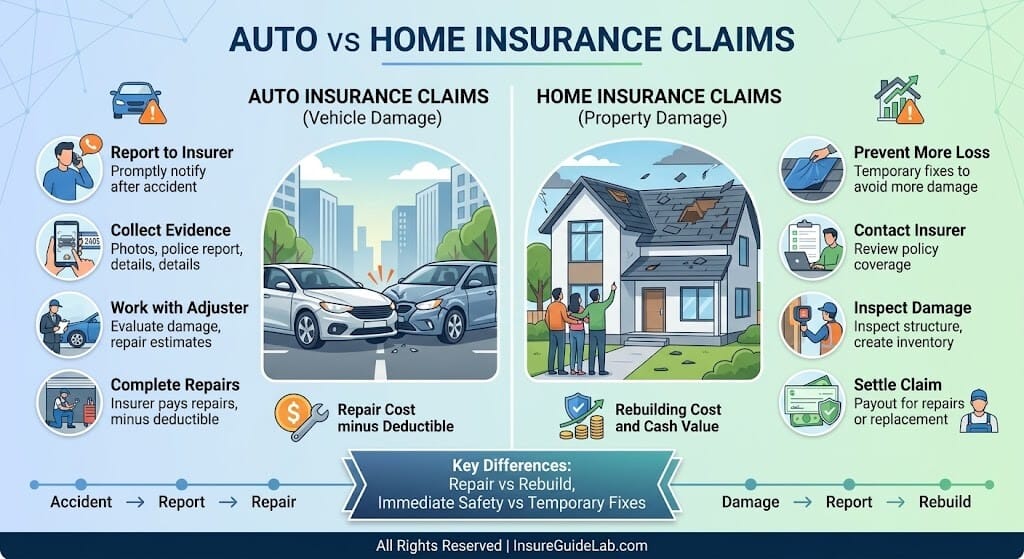
- Collision Coverage: Pays to repair or replace your vehicle if it collides with another car, crashes into a stationary object (like a tree, fence, or guardrail), or is involved in a single-vehicle rollover accident.
- Comprehensive Coverage: Also referred to as “other-than-collision” coverage, it reimburses repairs if your vehicle is damaged by unpredictable, non-collision perils such as theft, vandalism, fire, hail, fallen trees, or animal strikes.
📊 Comparison: Comprehensive vs Collision Coverage
| Feature | Collision Coverage | Comprehensive Coverage |
| Primary Trigger | Physical impact with cars or physical objects | Non-collision incidents, weather, and theft |
| Hitting an Animal | No (Treated as non-collision) | Yes (Deer strikes, bird impacts, etc.) |
| Theft & Vandalism | Not covered | Fully covered up to actual cash value |
| Pothole Damage | Yes (Considered collision with the road) | Not covered |
| Lender Requirement | Required for vehicle leases and auto loans | Required for vehicle leases and auto loans |
⚡ 5 Critical Differences Every Driver Must Understand
1. The Nature of the Incident (Moving vs Non-Moving)
Collision insurance strictly handles moving accidents—whether you back into a pole, get T-boned in an intersection, or strike another vehicle. Comprehensive handles events outside your driving control, such as a rock cracking your windshield on the highway or tree branches falling during a severe windstorm.
2. Animal Collisions Are Classified Under Comprehensive
Although striking a large animal involves physical contact, standard insurance guidelines classify animal strikes (such as hitting a deer) under comprehensive insurance. Filing an animal strike claim typically will not raise your insurance rates as aggressively as an at-fault collision claim.
3. Vandalism, Theft, and Weather Protection
If someone keys your car doors, catalytic converter thieves target your exhaust system, or floodwaters submerge your engine, collision insurance provides zero coverage. Comprehensive insurance is the exclusive policy layer that reimburses these catastrophic losses.
4. Impact on Insurance Premium Adjustments
Filing a collision claim—especially if you are determined to be at fault—frequently causes an increase in your renewal premiums. Conversely, comprehensive claims involve non-driving hazard risks that generally have a smaller impact on risk scoring.
5. Deductible Flexibility and Application
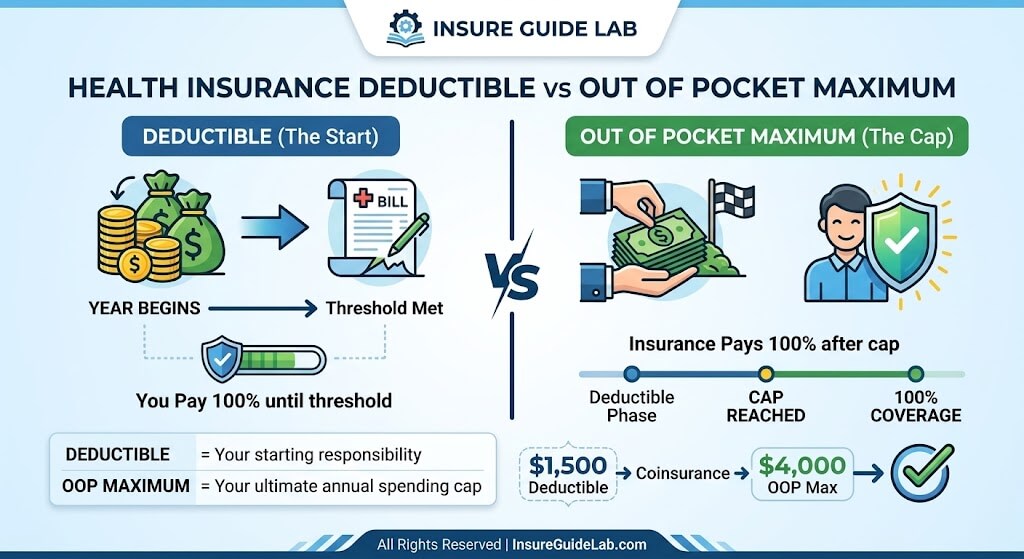
Both coverages carry independent deductibles, typically ranging from $250 to $1,000. You can choose different deductible thresholds for each: many policyholders maintain a low $250 deductible for comprehensive (to handle cheap glass or hail claims) and a higher $500 or $1,000 deductible for collision to keep overall premiums affordable.
🚗 When Can You Drop Comprehensive or Collision?
- The 10% Rule of Thumb: If the combined annual cost of both comprehensive and collision coverage exceeds 10% of your vehicle’s total market value, dropping optional physical damage coverage may save you money.
- Paid-Off Older Vehicles: If your car is over 10 years old with significant mileage, the potential payout after deductible may no longer justify maintaining full coverage.
- Active Loans or Leases: You cannot remove either coverage if you still owe money to a bank or finance company.
❓ Frequently Asked Questions (FAQs)
Do I need both collision and comprehensive coverage?
Together, collision and comprehensive form what the industry refers to as “Full Coverage.” Carrying both gives you total peace of mind against virtually all forms of physical vehicle damage.
Does collision coverage cover hit-and-run accidents?
Yes. If an unidentified driver hits your parked vehicle and leaves the scene, the repair costs are processed under your collision coverage (or Uninsured Motorist Property Damage coverage, depending on your state).